
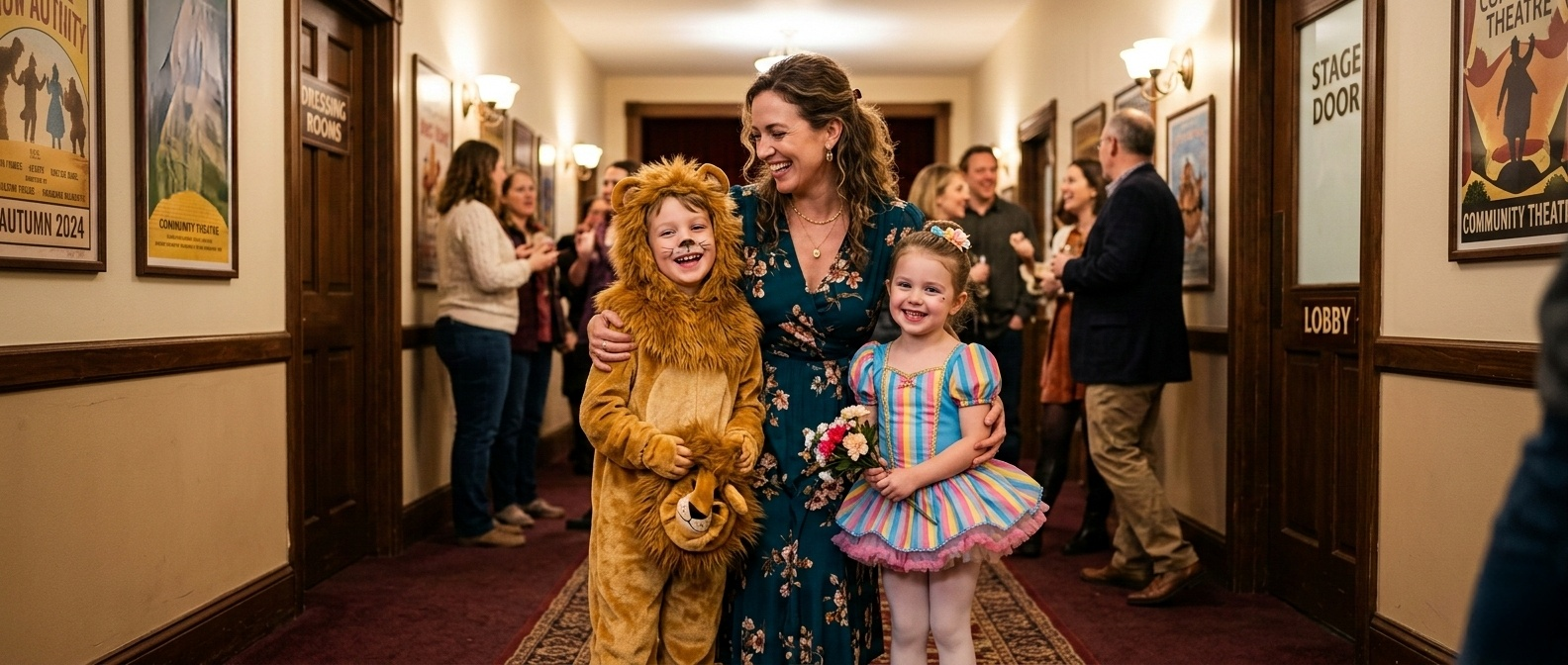
The final week before a production opens is a pivotal time where weeks of training and rehearsal finally merge into a professional theater experience. At Deo Gloria Performing Arts (DGPA), this is known as Tech Week. It is a period of intense focus where the set is built, the lights are adjusted, and the costumes are finally worn under stage lights to ensure every performance becomes an act of worship. While the hours are longer, this is often the most rewarding experience for performers as they see their gifts have purpose and come together to tell a story of faith.
What to Expect During Tech Week
Tech Week is the transition from the rehearsal hall to the stage. It is a stretching experience where students learn to grow their craft for God’s glory in a safe, Christ-honoring environment.
Technical Build (Monday–Wednesday): These are technical rehearsals, typically running three to five hours. We pause frequently to set lighting levels, adjust sound cues, and practice scene transitions.
Full Run-Throughs (Thursday): During these early days, students practice transitions and scene changes repeatedly to ensure a high-caliber theater experience for our audience.
Performance Mode (Friday–Saturday): We shift into show mode. Students will be given a specific call time—the time they must be physically present at the theater—to prepare for the actual performances.
Intensity and Fatigue: Expect your child to be tired but excited. The mental and physical energy required to move from a rehearsal space to a full stage is significant.
Community and Bonding: This week is when the cast truly bonds, finding a like-minded community where they feel supported, encouraged, and prayed for.
12 Ways to Set Your Performer Up for Success
Because Tech Week is a lot of work and can be physically demanding, your support at home is vital in helping your child succeed as they use their talents to glorify God.
1. Grant Grace with Academics Theater is a ministry that takes time and energy. During this short but intense season, consider talking with teachers about the schedule or giving your child grace on home chores. Providing this breathing room helps them stay focused on the ministry of the production without feeling overwhelmed by outside pressures.
2. Maintain the Fueling Cycle Performing takes a massive amount of physical energy, especially with the heat of stage lights.
Lunch: Provide a substantial, healthy lunch during the day.
Pre-Rehearsal: Pack nutritious, non-messy, nut-free snacks like applesauce pouches or cheese sticks to eat.
Post-Rehearsal: Have a warm, protein-rich meal ready when they get home. Theater kids are notoriously hungry after a show, and refueling is essential for their recovery.
3. Spiritual and Emotional Check-ins Take time to pray with your child before they head to the theater to keep their heart centered on the purpose of their talent. Talk through what is happening at rehearsals and the stories of faith they are telling on stage.
4. Prioritize Extra Sleep Excellence requires a rested body. The long hours of technical rehearsals can be taxing, so encourage your child to get to bed quickly after arriving home if it’s a late night practice. Prioritizing rest helps them stay refreshed and keeps their attitude positive during long cues.
5. Focus on Preventative Health Maintaining your child’s physical health is the best way to ensure they can use their talents to the fullest. Make sure they are taking their vitamins and supplements consistently. A healthy immune system is key to maintaining the high energy needed for a high-caliber performance week.
6. Monitor Sickness Closely Because cast members work in close proximity, colds can spread very quickly. Monitor your child’s health daily. If your student has a fever of 100.4°F or higher, or has thrown up in the last 24 hours, you must notify the stage manager immediately. They will provide specific instructions on the next steps for the safety of the entire cast.
7. Pack the Essentials Success backstage starts with a well-equipped kit. Send them to every practice and performance with a full water bottle and several healthy, mess-free snacks. Staying hydrated is the only way to keep their voice and energy levels consistent through the final curtain.
8. Punctuality and Logistics Always aim to be 5 to 10 minutes early for both drop-off and pick-up. Being on time reduces your child’s stress and shows respect for the creative team and other performers. Punctuality ensures they have time to settle into their space and prepare their heart for the work ahead.
9. Counsel Them on Wardrobe and the Base Layer To keep everything appropriate and professional backstage, DGPA requires a base layer to be worn under costumes at all times.
Base Layer Top: A fitted, skin-tone, white, or nude camisole or tank top.
Base Layer Bottom: Fitted biker shorts in white, black, nude, or skin-tone.
Undergarments: Supportive undergarments should always be worn and be skin-tone so that they don't show through costumes under the bright stage lights.
Easy Transitions: Encourage them to wear street clothes over this layer that are quick to change out of, such as oversized sweatpants or a button-down shirt, so they aren't stuck in the dressing room for a long time after the show.
Check out our blog post on the base layer here.
10. Encouragement Over Perfection Not every rehearsal will be perfect, and that is okay. Remind your child that their gifts have purpose and that you are proud of their great effort, regardless of a missed line or a wrong note. Nurture them through moments of frustration so they can leave the theater feeling encouraged and strengthened.
11. Hair and Makeup Support Proper presentation helps a performer feel set up for success. If your child is capable of doing their own hair and makeup, they can do it before they arrive or once they get there. If they are not yet capable, please help them at home so they feel confident and look their best before stepping through the stage door.
12. Promote Good Hygiene Theater lights are extremely hot and cast members work in very close proximity. Ensure your student is using effective deodorant but please avoid heavy, smelly perfumes or essential oils. These scents can be overwhelming in tight backstage spaces and may bother cast mates with sensitivities or allergies.
Join the Team: Volunteer Opportunities
We love having parents involved in creating a Christ-centered community, and you do not need to be an artist to make a massive impact. It takes a community of believers to create an experience that strengthens the faith of our audience.
There are many ways to serve during the show run by contacting the Production Director via our website’s contact page:
Backstage Parent: Help maintain a safe, quiet, and encouraging environment for the performers.
Ticket Taker and Usher: Greet our guests and help them find their seats for an uplifting experience.
Concessions: Serve refreshments and help families spend meaningful time together during intermission.
Check out even more ways you can volunteer here!
Tech week can be crazy, but it’s a wonderful time to see God work as your child helps bring a story of faith to life on the stage.